


What Sets Chippewa Work Boots Apart
Chippewa has made boots in the American work-boot tradition for over a century. Chippewa builds both USA made styles, constructed in the United States with global parts, and imported styles. Their flagship Super Loggers are now made in the USA again, and the Super DNA series offers replicas of their most popular USA styles.
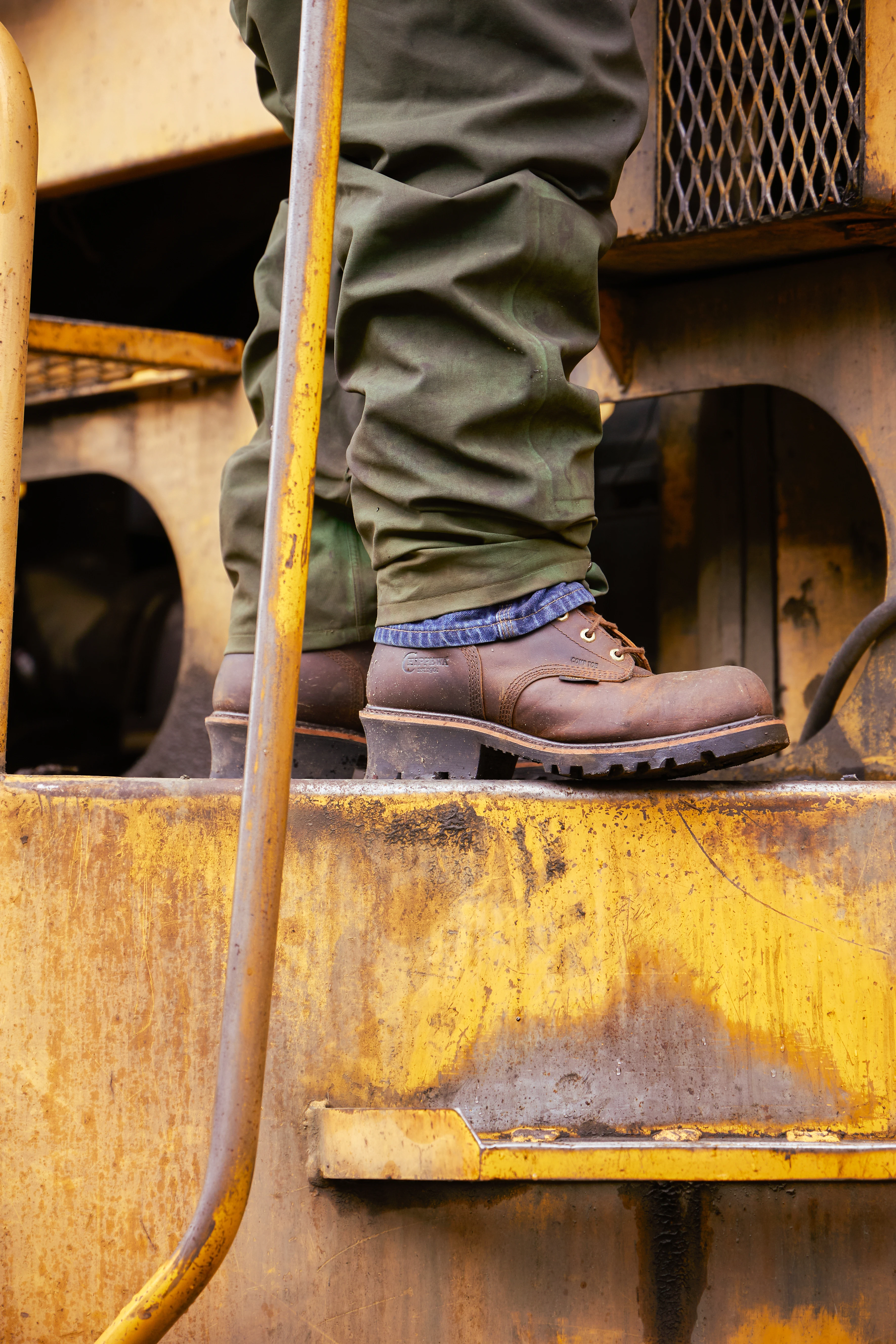
Most of the current collection uses full-grain leather uppers, which is where the durability comes from, since it resists scuffs and moisture and breaks in to the shape of your foot over time. The logger boots are the style the brand is best known for, built with the shank support and lug traction that uneven, rugged terrain calls for.
Comfort features vary by build. Many Chippewa boots use Ortholite inserts, comfortable footbeds that resist flattening and hold their thickness over time, and they are removable so you can wash them or swap in your own. The Dri-Lex lining used in some styles wicks moisture to help keep feet drier through long hours.
Chippewa Features and Technology
Chippewa offers steel, composite, and nano composite safety toes, and all three meet ASTM F2413. Composite toe boots, including the nano composite toe builds, are non-metallic and lightweight, while soft toe styles are for jobs where impact is not a concern. Electrical hazard (EH) rated Chippewa boots use non-conductive soles and heels to reduce shock risk around live circuits, and because the rating covers the sole and heel, a steel toe boot can still be EH rated. EH protection is a secondary safeguard, and electrical workers still need the primary protection OSHA requires.
Chippewa builds waterproof technology into certain styles through Seam-Seal construction or the Chip-A-Tex membrane. Waterproof protection varies by style, so check the product page for which system a boot carries. Insulated Chippewa boots use 3M Thinsulate ULTRA, which holds its warmth even in damp conditions and does not restrict movement. For traction, some Chippewa boots run a Vibram outsole for stability on demanding ground, and logger styles pair lug outsoles with steel shank support for footing on slopes and uneven terrain.
Choosing The Right Chippewa Work Boots
Start with your work environment and the protection your job requires. Logging and heavy outdoor work call for a logger boot with shank support and aggressive traction, while general construction and material handling are where a steel or composite toe work boot earns its place. If your job runs you through a metal detector or exposes you to temperature extremes, a composite or nano composite toe can be a good choice since it is non-metallic.
Weather is the second factor. Waterproof construction keeps feet dry for outdoor work in wet conditions, and insulation keeps feet warm once the temperature drops. For comfort over long hours, consider how the boot gets on and off. Pull-on work boots save time and skip the laces while a lace-up lets you dial in the fit and adds ankle support. Chippewa also makes snake boots in taller heights for anyone working in brush or field conditions where extra protection is needed.
Why Buy Your Chippewa Work Boots From Family Footwear Center
Every Chippewa boot we sell is authentic and backed by the manufacturer’s warranty, because we are authorized to carry the brand. We stock logger boots, steel toe, composite toe, and soft toe work boots, plus women’s and duty and tactical styles, so you can compare toe types and heights in one place.
Family Footwear Center has fit the trades since 1992 across four Northeast stores. We are also a SAM-approved government vendor and supply duty and work boots to law enforcement, corrections, and federal agencies. Call 1-888-855-0119 with any questions.
Chippewa Work Boot FAQs
Are Chippewa boots good for logging?
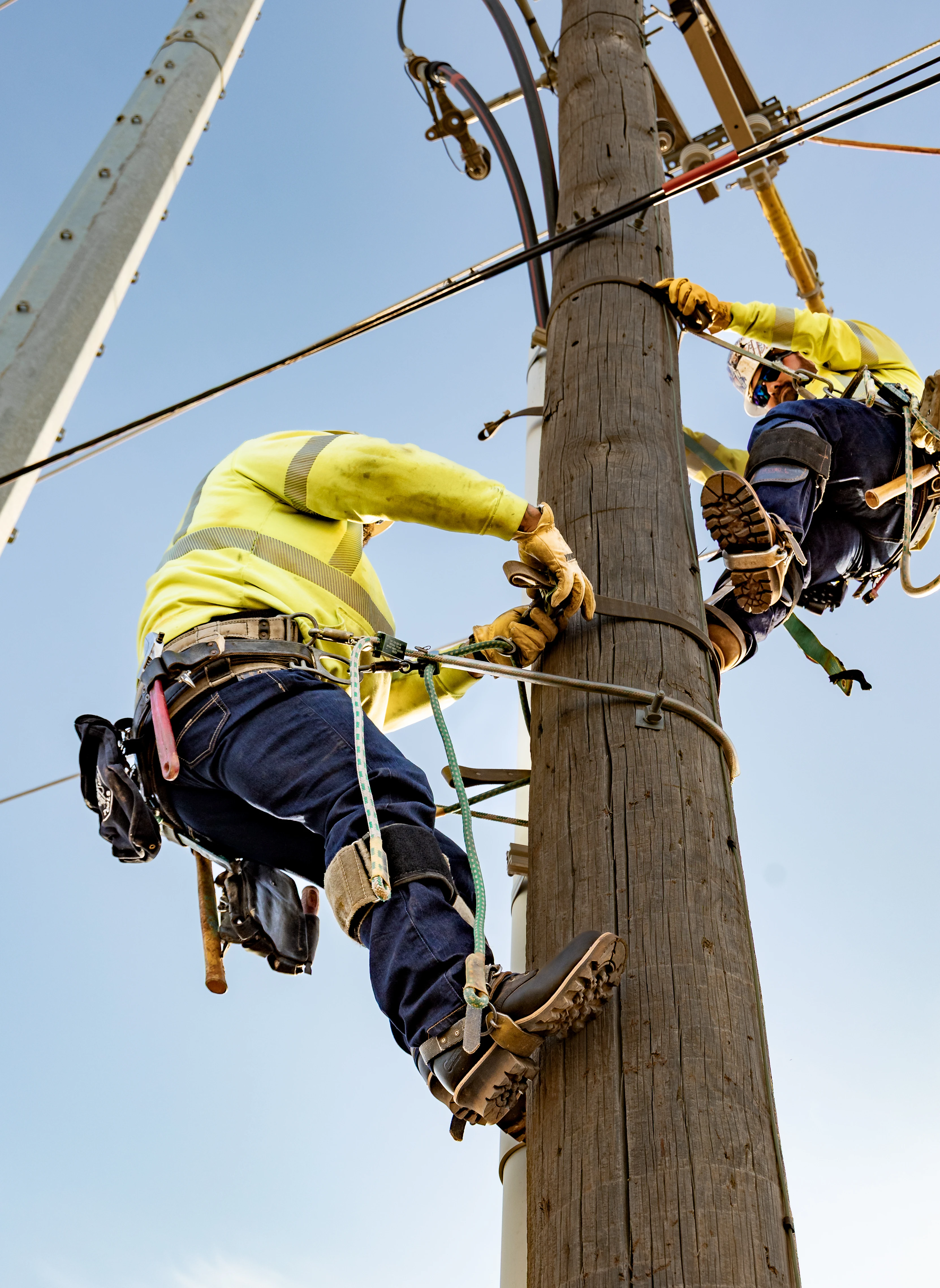
Loggers are the style Chippewa is best known for. The logger and super logger builds pair lug outsoles with steel shank support for footing on slopes and uneven ground, and they come in steel and soft toe options, insulated and non-insulated. If you work in rugged terrain, this is the Chippewa category to start with.
Do Chippewa work boots meet ASTM safety standards?
What is a nano composite toe?
It is a composite safety toe built from woven carbon nanotubes and fiberglass resin. It meets the same ASTM F2413 standard as a steel toe but weighs less and sits thinner, which leaves more room in the toe box. Like other composite toes, it conducts less cold than steel and won't set off a metal detector.
Are Chippewa boots waterproof boots?
Some are. Chippewa uses Seam-Seal construction and the Chip-A-Tex membrane to make certain styles waterproof, but not every boot in the line carries them. Check the product page to confirm which system a boot uses before you order.
Can a steel toe Chippewa boot still be electrical hazard rated?
Yes. EH protection comes from non-conductive soles and heels, not the toe, so a steel toe boot can carry an EH rating. For electrical work, many people still prefer a composite toe because it removes the metal path entirely. EH is a secondary form of protection, and OSHA's primary protection requirements still apply.
How do I find the right width in a Chippewa boot?
Width varies by style, from Medium (M) (D) through Wide (W) (E) and Extra Wide (XW) (EW) (2E) depending on the build. Chippewa makes EEE in their USA made styles. A boot that fits in length but pinches across the ball of the foot will cause hot spots, so width matters as much as length. Call us at 1-888-855-0119 and we will tell you what is available in the pair you want.
What laces should I use with my Chippewa boots?
Chippewa Sta-Tied waxed boot laces and Chippewa Kevlar boot laces are the most popular boot laces we carry in store and online. The Sta-Tied waxed laces are made to stay tied in rain, sleet, slush, and snow, and they come in brown, black, and gold. The Kevlar laces are Chippewa's heavy-duty option. Chippewa recommends its own laces for its boots, so either pair works well when your originals wear out.
Find Your Next Pair of Chippewa Boots
Browse the Chippewa collection above to compare logger, steel toe, composite toe, and soft toe styles. Our team has 34 years of experience with work boots and can answer questions about toe types, waterproofing, and insulation before you buy.
QUESTIONS? CALL 1-888-855-0119